Source
Identify high-conviction, transit-oriented opportunities in established New York City neighborhoods.

Our Approach
A disciplined process shaped by design, construction, ownership, and long-term stewardship.
Development Thesis
Matthew David Development is structured around a simple principle: the best real estate decisions are made when design, construction, underwriting, and ownership are evaluated together from day one.
Rather than treating construction as a downstream activity, we bring constructability, schedule, procurement, agency coordination, and cost discipline into the earliest stages of acquisition and investment review.
Integrated Lifecycle
Identify high-conviction, transit-oriented opportunities in established New York City neighborhoods.
Evaluate basis, zoning, rent demand, capital structure, schedule, risk, and long-term hold potential.
Shape architecture, unit mix, material direction, and resident experience around enduring value.
Coordinate approvals, DOB strategy, consultants, filings, and agency requirements with discipline.
Manage cost, procurement, trades, schedule, quality, and field execution through construction-first oversight.
Stabilize, refinance, operate, and retain assets designed to compound value over time.
Construction-First
Potential issues are identified before acquisition, reducing exposure to redesign, change orders, and schedule drift.
Budgets are built with construction logic, trade input, procurement awareness, and lifecycle operating assumptions.
Approvals, long-lead items, utility constraints, field sequencing, and trade coordination are evaluated early.
Design intent and construction execution are aligned so the finished asset reflects the investment thesis.
Risk Management
Each project is reviewed through a layered risk framework designed to protect basis, schedule, quality, and investor alignment.
Acquire selectively and only when the project can support durable value creation.
Clarify zoning, DOB, consultant, and agency constraints before committing capital.
Match debt, GP capital, and LP capital to the risk profile and hold strategy of each asset.
Design for long-term ownership, efficient operations, maintenance, and tenant experience.
Design Discipline
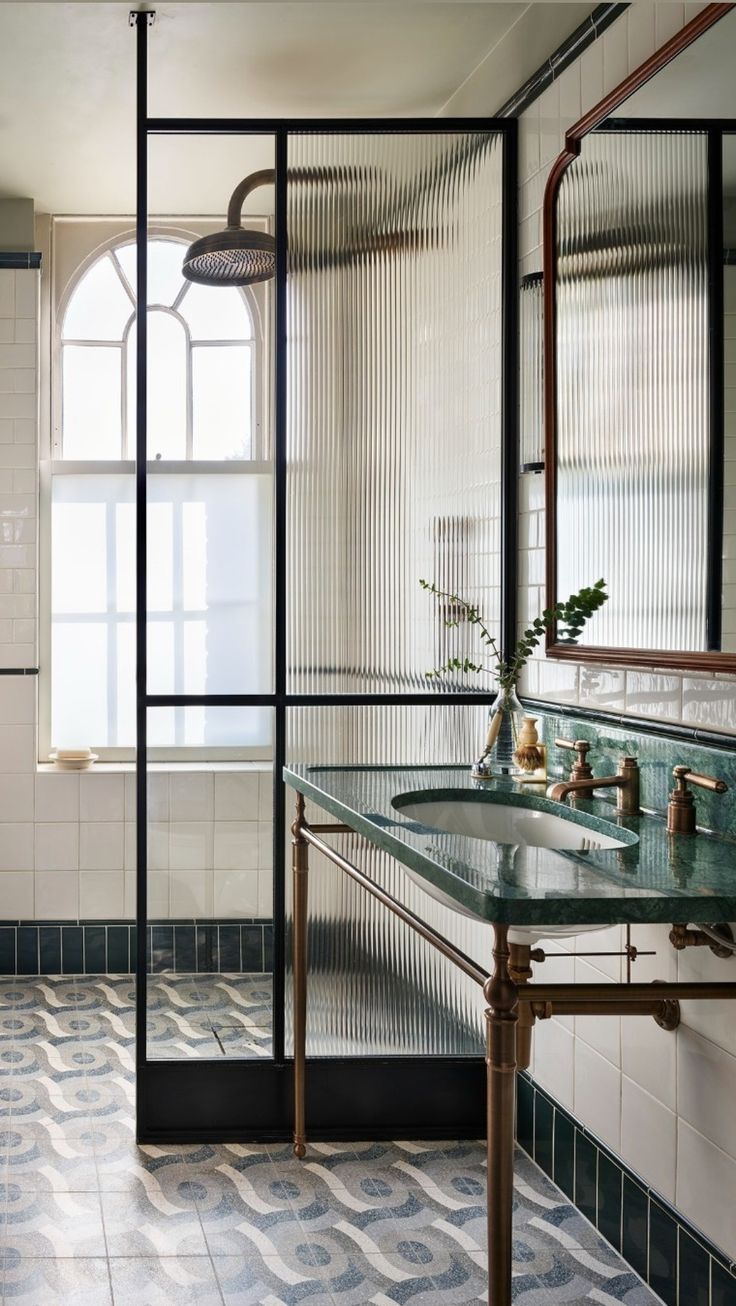
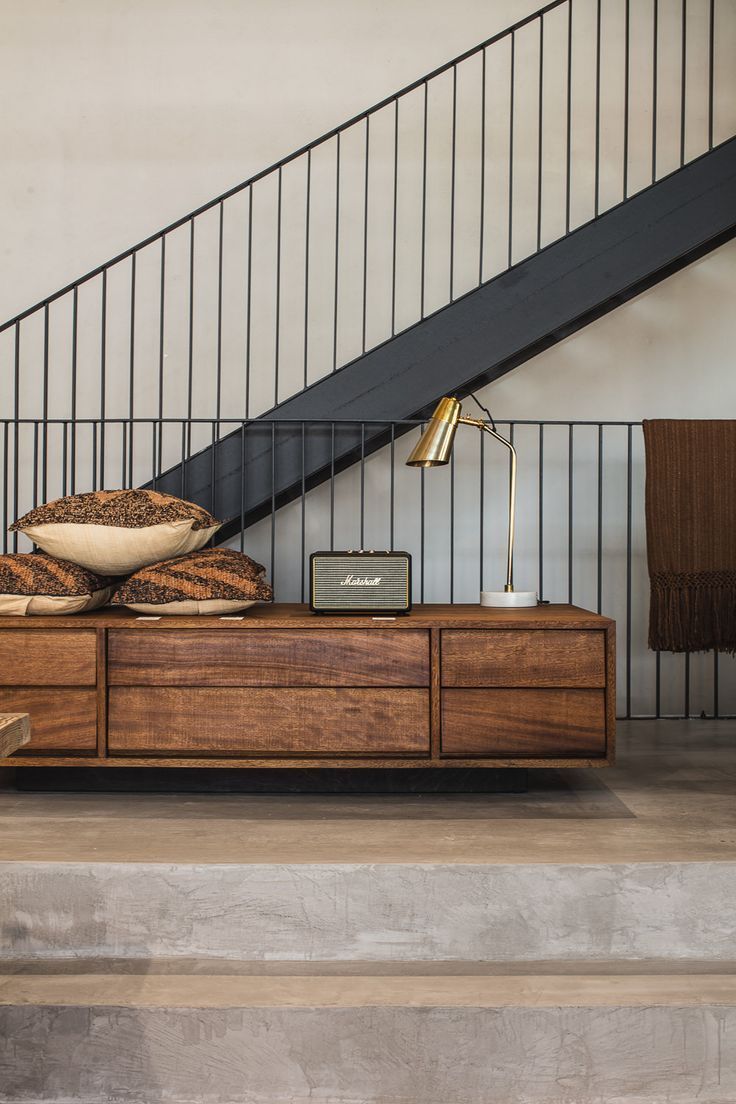
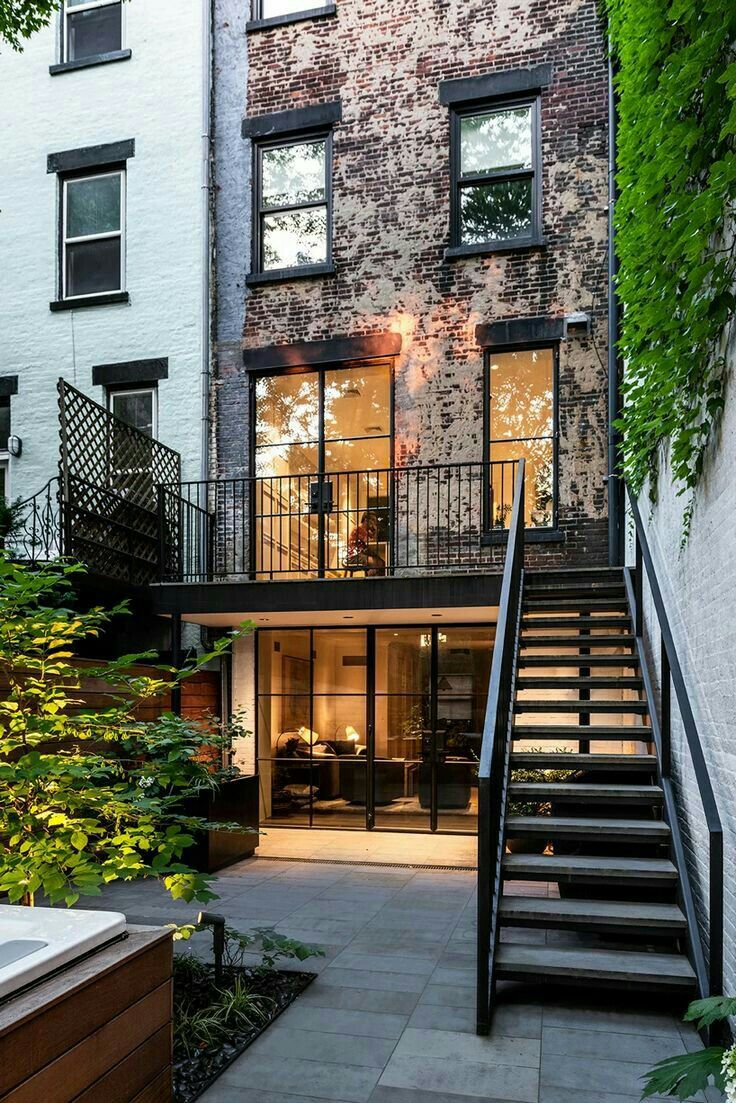
Our design language is rooted in restraint: brick, steel, glass, warm wood, stone, clean detailing, and layouts that prioritize light, proportion, and daily use.
Next
The project page shows how the Matthew David Development model translates into a specific site, neighborhood, design language, and investment thesis.